Low Water Pressure Diagnosis in Chesapeake
Low water pressure on a well in Chesapeake, VA? We diagnose the real cause — tank, switch, pump, or plumbing — before anyone replaces parts.
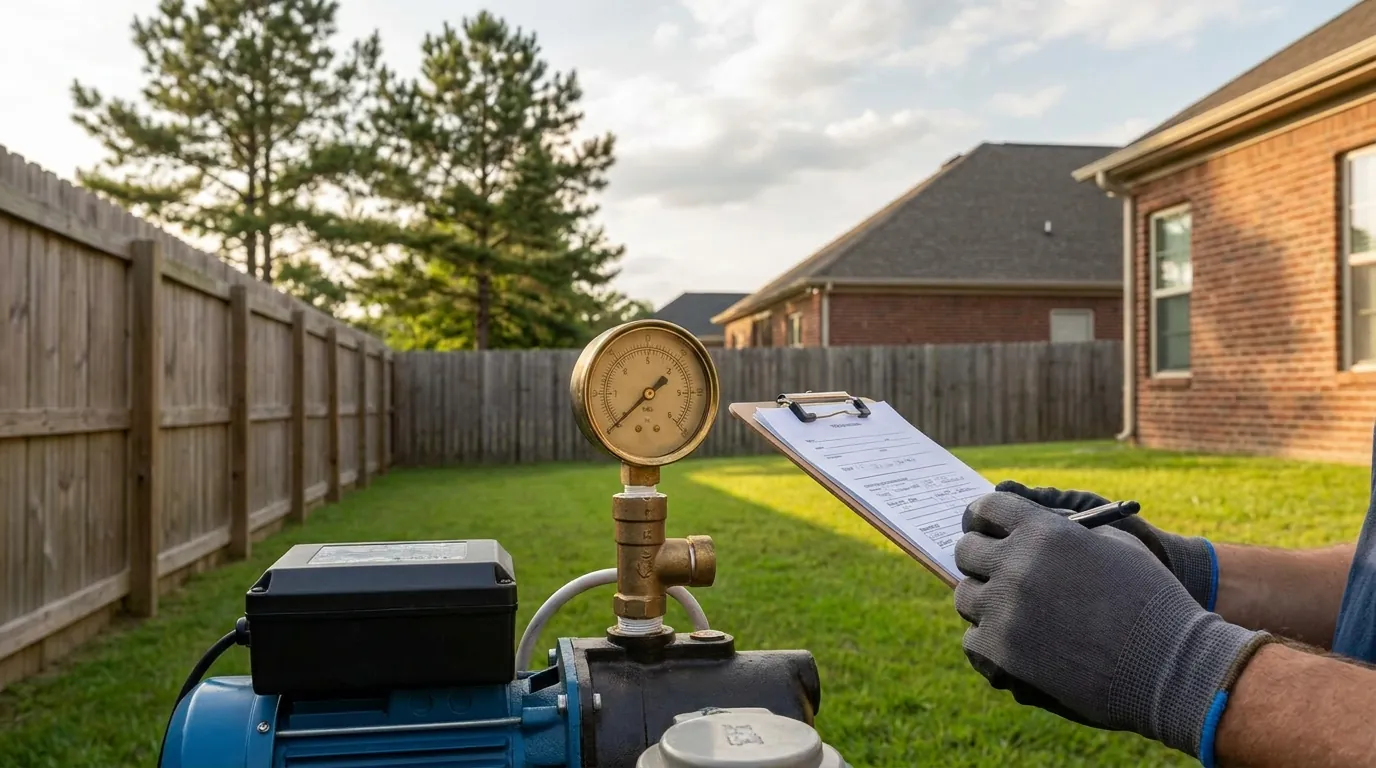
Why pressure drops on a well system
Low water pressure is one of the most frustrating well problems because it has so many possible causes. The pressure might be weak everywhere, drop off when two fixtures run at once, surge and fall at a single tap, or fade over the course of a shower. Each pattern points toward a different part of the system, and guessing wrong leads to replacing parts that were never the problem.
The real cause can sit anywhere between the well and the faucet: a pressure tank that has lost its air charge, a pressure switch set too low or sticking, a clogged check valve, a worn pump impeller, a well whose water level has dropped near the pump, or simply mineral scale narrowing the pipes. A proper diagnosis works through these in order rather than starting with the most expensive one.
Because low pressure and short-cycling share so many causes, this work overlaps closely with pressure tank service and, when a pump is involved, well pump repair.
How we track down the cause
Diagnosis follows the system from the easy, cheap checks toward the costly ones:
-
Read the pressure cycle
We watch the gauge through a full pump cycle to see the cut-in and cut-out pressures and how the system behaves under load. The shape of that cycle narrows the fault immediately.
-
Check tank and switch
A low or lost tank air charge and a misadjusted or pitted pressure switch are the most common, least expensive causes of weak pressure. We confirm or rule these out first.
-
Look for restrictions
Clogged check valves, scaled fittings, a sediment-fouled screen, or mineral buildup in older pipe all throttle flow. These are common where local water carries heavy iron and sediment.
-
Evaluate the pump and well
If the controls and plumbing check out, we assess whether the pump is worn or whether the water level in the well has dropped near the intake, which starves the pump during heavy use.
-
Explain the fix
With the cause identified, we lay out the repair plainly — a recharge, a switch, a valve, a cleaning, or in some cases a pump that no longer meets the home's demand.
The Chesapeake angle on pressure problems
Water chemistry is behind a surprising share of low-pressure calls here. The iron and mineral content in Chesapeake's groundwater builds up as scale and sediment inside check valves, screens, and older galvanized pipe, slowly choking flow until the pressure feels weak everywhere. That gradual loss is easy to mistake for a failing pump when the real fix is clearing a restriction.
The area's high water table plays a role too. During dry stretches or heavy household demand, the water level in a shallower well can draw down close to the pump intake, and pressure fades until the well recovers. Recognizing that pattern — pressure that drops under sustained use and returns after a rest — points to the well's behavior rather than a broken part.
When the diagnosis does point to the pump itself, we'll say so and walk you through well pump replacement. The whole purpose of diagnosing first is to be sure that's actually the answer.
Pressure not what it used to be?
Tell us when and where the pressure drops — one tap or the whole house, steady or fading — and we'll help pin down the likely cause.
Serving Chesapeake and the wider Hampton Roads area.
Frequently asked questions
Why is my well water pressure low all of a sudden?
A sudden drop often points to the pressure tank losing its air charge, a sticking pressure switch, or a clogged check valve. A gradual decline is more likely scale and sediment narrowing the plumbing. The pattern and timing help tell them apart.
Why does pressure fade when I run water for a while?
Pressure that drops during sustained use and recovers after a rest can mean the well's water level is drawing down near the pump intake, especially in shallower wells during dry periods. It can also indicate a pump struggling to keep up with demand.
Could low pressure be the pressure tank rather than the pump?
Very often, yes. A waterlogged tank or a wrongly set pressure switch produces weak and surging pressure that's easy to blame on the pump. We check the tank and switch first because they're the common and inexpensive causes.
Does hard, iron-rich water cause low pressure?
It can, over time. Iron and mineral deposits build up in check valves, screens, and older pipe, gradually restricting flow. Clearing or replacing the restricted components usually restores pressure without touching the pump.